

With the continuous growth of fresh e-commerce, cold chain logistics, and pharmaceutical refrigeration, the market demands for cold chain foam boxes are constantly increasing. Beyond basic insulation performance, people are paying more attention to packaging cost, durability, and whether the box can remain intact during long-distance transport and repeated handling. EPS beads for model making offer significant advantages in making cold chain foam boxes due to their excellent insulation performance, uniform and consistent foaming, and mature, stable molding process.
What Are EPS Beads for Model Making?
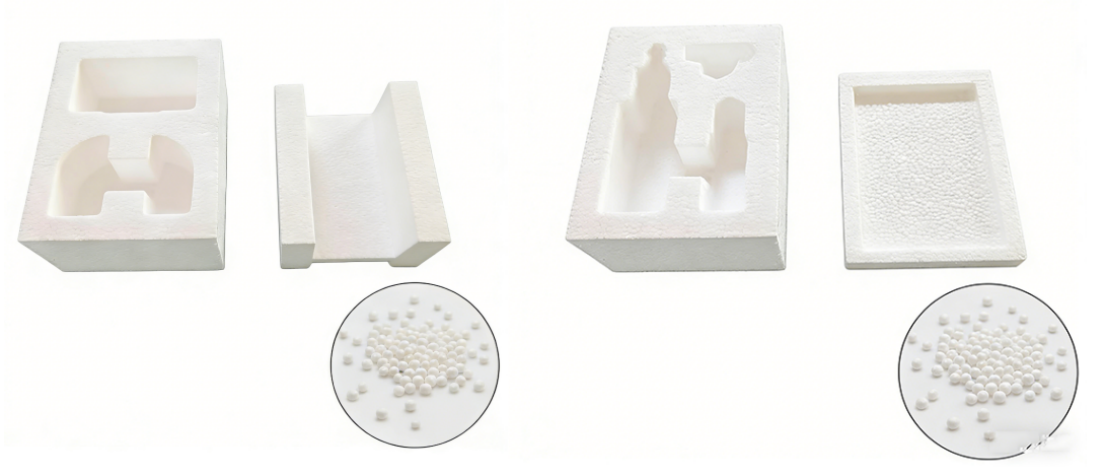
EPS beads for model making are expandable polystyrene materials that swell and fuse into a whole when heated, forming a uniform and dense foam structure. They can be molded using molds to produce cold chain foam boxes of different sizes, wall thicknesses, and structural strengths, meeting diverse cold chain transportation needs. The high foaming efficiency of EPS beads for model making greatly reduces the weight of the boxes, lowering transportation burdens. After foaming, they form a uniform closed-cell structure that effectively isolates external temperatures and enhances insulation performance.
Why Are EPS Model Making Raw Material Beads Suitable for Manufacturing Cold Chain Foam Boxes?
The foam formed from EPS beads for model making is filled with numerous independent closed microcells, with air trapped inside that hardly moves, greatly reducing the rate of heat transfer between the inside and outside of the foam box. This characteristic allows cold chain foam boxes to maintain excellent insulation during long-distance transport, helping to keep the internal temperature low, minimize temperature loss, and reduce the use of ice packs or refrigerants.
EPS model making raw material beads also have a certain degree of elasticity. When made into foam boxes, they slightly deform under external pressure, absorbing and dispersing forces, thereby reducing the impact or compression on the products inside the box. The elasticity and pressure resistance of EPS foam boxes make them highly suitable for cold chain transport of fresh produce, frozen foods, and pharmaceuticals, effectively cushioning impacts during stacking, handling, and transport to ensure the safety of goods.
The foaming performance of EPS model making raw material beads is stable, maintaining consistent expansion ratios and density during steam heating and mold forming, resulting in reliable and uniform shaping. This makes them ideal for continuous, large-scale production. The stability of EPS model making raw material beads also reduces waste and rework for manufacturers, ensuring quality while improving overall production efficiency.
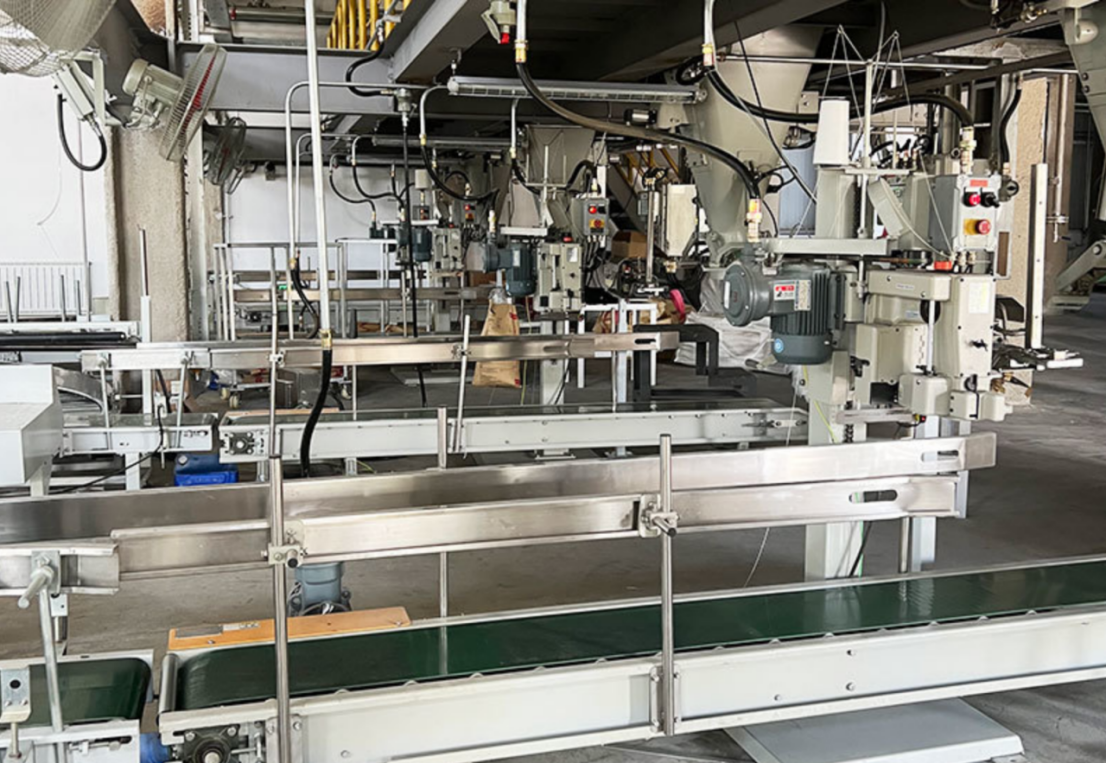
Compared with some newer materials, EPS granules for model moulding have obvious advantages in production cost. Their raw material supply is stable, ensuring that production will not be interrupted or require rework due to material shortages or batch differences, thereby reducing additional costs caused by supply issues. The processing of EPS granules for model moulding is mature and easy to operate, saving both labor and energy costs. The molds used with EPS granules for model moulding are highly versatile, suitable for cold chain foam boxes of different sizes and specifications, which lowers mold investment and replacement costs.
For manufacturers of cold chain foam boxes, EPS granules for model moulding make the production process more reliable and efficient, while also improving production flexibility and market responsiveness. Manufacturers can quickly adjust the specifications and structures of foam boxes to meet different customer requirements, enabling diversified product offerings. EPS granules for model moulding can also be applied in various scenarios, including food transport boxes, cushioning packaging for electronic products to protect delicate equipment, and eco-friendly disposable insulated containers, providing stable, efficient, and sustainable packaging solutions across multiple industries.
